Design-Build vs. Design-Bid-Build: Which Delivers Faster for Commercial Renovations?
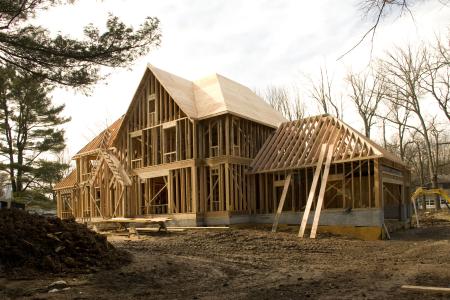
If you are planning a renovation, you want a method that saves time without sacrificing quality. Many Norfolk property owners ask whether design-build or design-bid-build will move their project along faster. As a local general contractor, BBRM Norfolk Partners LLC helps businesses choose a path that fits scope, schedule, and risk tolerance. For hands-on coordination from one accountable team, explore our commercial construction services to see how we manage speed and quality together.
Both approaches can produce a successful build. The difference lies in how teams are organized, when decisions are made, and how communication flows. Keep reading to see how each method plays out on the ground in Norfolk.
What Each Method Means in Plain English
Design-Build
With design-build, one entity handles design and construction as a unified team. You get a single contract, a shared schedule, and early collaboration that often shortens the overall timeline.
Design-Bid-Build
With design-bid-build, you first complete plans with an architect, then send them to multiple contractors to bid, and finally hire a low or best-value bidder to build. The steps are linear, which can create pauses between phases.
Why Speed Matters For Norfolk Commercial Renovations
Downtime costs money. In areas like Downtown Norfolk, Ghent, and Ocean View, every week a space stays closed can impact foot traffic and tenant satisfaction. Coastal weather and busy event seasons add pressure, since deliveries and site access can tighten during festivals, port surges, or storm prep.
In this environment, fewer handoffs usually mean fewer delays. Design-build often compresses schedules because the team is solving problems together from day one. Design-bid-build can still be efficient, but coordination happens later, once bids are awarded.
Timeline Breakdown From Kickoff To Closeout
Below is a simple view of each delivery method. Actual steps will vary by building type, site conditions, and selections.
- Design-build: discovery and budgeting run alongside schematic design, early pricing checks guide decisions, long-lead materials are ordered sooner, and construction starts in phases while details finalize.
- Design-bid-build: design reaches full detail first, documents go out to bid, bids are reviewed, the contract is awarded, then procurement begins and construction follows.
Because design and construction overlap in design-build, long-lead items like mechanical equipment or storefront systems are identified earlier. That overlap is where time savings often appear.
Communication, Change Orders, And Risk
On fast renovations, unresolved details can trigger changes that ripple across the schedule and budget. In design-build, the architect, engineers, and builder are aligned, so design decisions are weighed against cost and lead times in real time. That reduces surprises.
In design-bid-build, the builder joins after the design is complete. If field conditions differ from drawings or materials are delayed, you may see more change discussions. Clear change management is still possible in either method, but it relies on steady communication.
Tip: Ask how the team tracks submittals, RFIs, and changes. A transparent log with response targets keeps momentum.
Quality And Budget Control Without Cutting Corners
Quality improves when teams share goals. In design-build, constructability feedback happens early, so details are adjusted for better performance before they hit the field. In design-bid-build, quality is driven by complete documents and a clear spec; thorough preconstruction reviews help.
Whichever path you choose, insist on mockups for finish-critical areas like lobbies, restrooms, and customer-facing millwork. Early mockups protect quality and schedule.
When Design-Bid-Build Still Makes Sense
Design-bid-build can be a strong choice when you want multiple competitive bids on a fully developed design. It also helps when your project requires very prescriptive standards from a brand playbook or a franchise guide. Some owners prefer the separation between designer and builder for checks and balances.
Good to know: Clear, complete drawings reduce ambiguity during bidding, which supports better apples-to-apples comparisons.
Norfolk Scheduling Factors That Can Affect Speed
Local context matters. Waterfront weather can shift quickly. Summer humidity can influence finish curing, and late summer through fall brings higher storm risk. Traffic patterns near the Port of Virginia or the tunnels can affect deliveries and worker arrival times, especially during peak hours.
If your building is near entertainment districts or campuses, plan noisy work around events and exam periods when possible. Always confirm local rules and building policies for work hours and access. Requirements vary by property and season.
Local insight: Build a small buffer for storm preparations during late summer and early fall. A few contingency days can keep your turnover date realistic if a nor’easter or tropical system slows deliveries.
How Design-Build Can Deliver Faster In Norfolk
Here is how design-build often cuts time without sacrificing outcomes:
- Single point of responsibility keeps decisions moving and aligns design with real-time market pricing.
- Early trade partner input improves phasing, safety planning, and material choices aligned to our climate.
- Overlapping design and construction allows selective demolition and early packages to start sooner.
- Proactive procurement secures long-lead items before they affect the critical path.
Owner insight: Ask your team to show a phase-by-phase pull plan. Visual schedules help spot bottlenecks before they slow crews.
Where Design-Bid-Build Can Keep You On Track
Design-bid-build shines when your scope is well defined, and you want broad market pricing on the same design set. If you have ample preconstruction time, the bid phase can help refine cost expectations and vet alternates. Strong document control and a clear addendum process are key to staying on time.
Watch for this: Long lead times can shift after documents go to bid. Ask bidders to validate lead times during proposals and again before award.
Realistic Ways To Save Weeks Without Cutting Quality
Regardless of method, certain habits protect speed and standards:
Lock finishes and fixtures early, especially for items like lighting, flooring, and storefront systems. Approve submittals quickly with clear markups so procurement can start. Plan selective demolition and temporary protections to keep adjacent tenants comfortable and safe.
Most of all, create a decision calendar. When owners, designers, and the builder agree on decision dates, the team can maintain flow.
Budget And Schedule Visibility From Day One
Norfolk businesses value predictable cash flow. Ask for target value design in design-build or robust pre-bid estimates in design-bid-build. Either way, require frequent schedule updates that connect milestones to procurement, inspections, and turnover.
For a closer look at how we integrate design, coordination, and build-out, visit our commercial construction page to see our approach to phasing, safety, and quality control.
How To Choose The Right Delivery Method
Use these questions to clarify your best path:
- How firm is your required open date, and are there penalties if it slips?
- Do you want a single accountable team, or do you prefer separate designer and builder roles?
- Is your scope likely to change as you uncover existing conditions?
- How comfortable are you making early decisions on finishes and systems?
- Will tenant operations or neighbors limit work hours or deliveries?
Still unsure? Explore our services to see how preconstruction, design coordination, and field management come together on different project types.
A Local Framework For Norfolk, VA Projects
For buildings near the waterfront or low-lying areas, schedule inspections and key deliveries earlier in the week when weather windows are steadier. Coordinate with property management to align elevator use and staging areas, especially in busy mixed-use properties. These small choices compound into meaningful time savings.
If you are comparing approaches, visit the homepage of our Norfolk general contractor to understand our process, safety culture, and communication rhythm across design and build phases.
Partner With A General Contractor Who Owns The Schedule
Whether you choose design-build for speed or design-bid-build for structured competition, success comes from disciplined planning and daily follow-through. BBRM Norfolk Partners LLC uses short-interval schedules, clear checklists, and trade coordination meetings that keep work moving even when the weather or supply chain shifts. To talk through your timeline and risk profile, call us at 757-520-0378. Our commercial construction team will recommend the method that fits your goals and building conditions.
If you want a faster, more predictable renovation in Norfolk, choose a partner who is accountable from the first sketch to the final punch list. Let’s map your dates and milestones, then build to that plan together.

Schedule a Consultation Today & Speak to a Construction Management Professional